Create your first campaign
Connect a useful signup offer with a clear welcome email and relevant follow-ups.

To market a clothing brand, connect three things: a clear reason to choose your clothes, a reliable way for the right people to discover them, and a store that answers their buying questions.
You do not need to launch every channel at once. Start with one audience, a small product story, and a measurable path from discovery to purchase. The seventeen ideas below follow that path, from prelaunch to repeat customers. For the email channel in detail, use the separate fashion email marketing strategy; here, the focus is choosing and connecting the channels.
Write down who the clothes are for, the situation they suit, and the concrete difference in fit, fabric, design, or service. “Quality clothing for everyone” gives you little direction. “Easy-care workwear for people who cycle to the office” suggests products, photography, search topics, and useful collaborations.
Before paying for traffic, estimate what an order contributes after product costs, discounts, payment fees, shipping subsidies, and expected returns. Use that figure to set an acquisition budget. Do not assume future repeat purchases will rescue an unprofitable first-order campaign before you have evidence.
| Current problem | First priority | Useful measure |
|---|---|---|
| Few people know the brand | One focused discovery channel | Relevant visits and qualified signups |
| Visits, but little buying intent | Product story and audience fit | Product-page engagement and useful inquiries |
| Interest, but few completed orders | Size, delivery, returns, and checkout clarity | Conversion and reasons for abandonment |
| Orders, but high returns | Accurate fit and product expectations | Return reasons and contribution after returns |
| Happy buyers rarely return | Relevant follow-ups and new reasons to visit | Repeat purchases over a realistic interval |
Choose a small set of visual decisions you can use consistently: lettering, colors, image direction, and tone. A wordmark generator can help you explore lettering for the store and social profiles. MakeCalligraphy's guide to fancy text and font images explains the difference between decorative characters and a designed image.
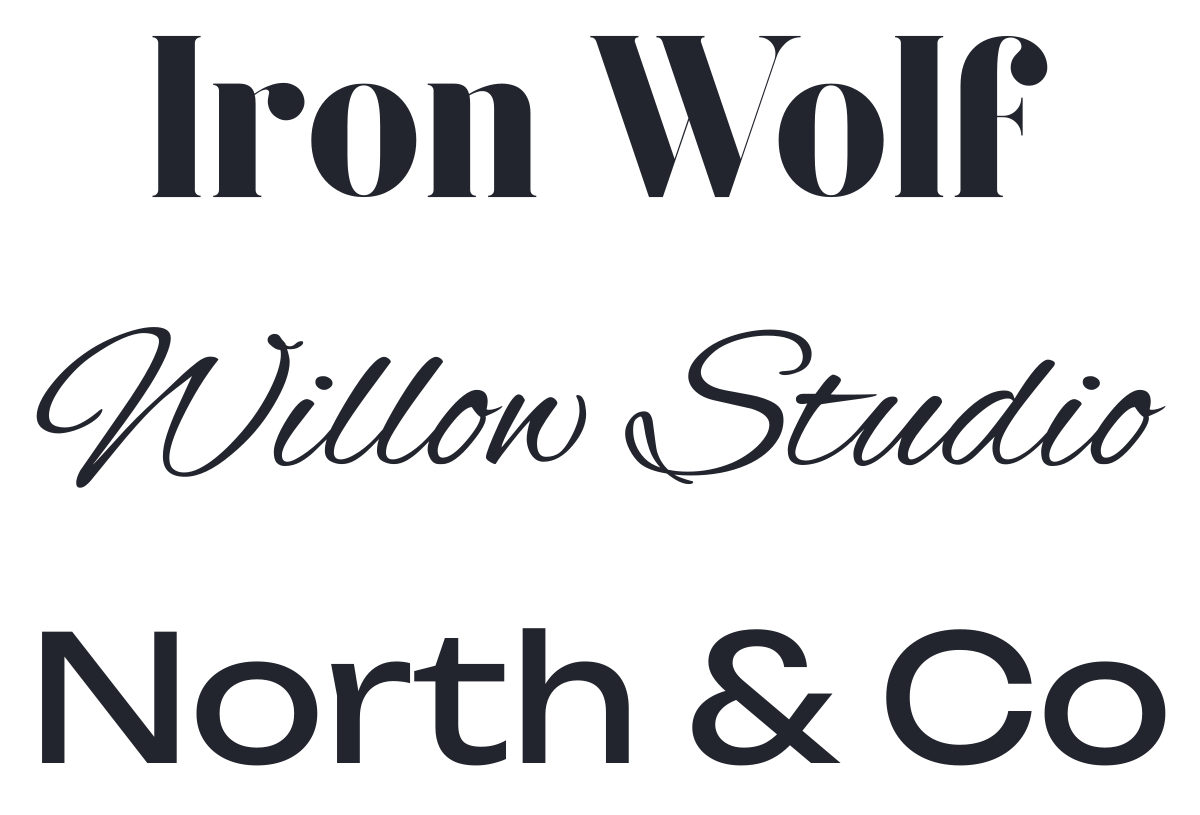
Keep the final name readable at small sizes. Decorative lettering is an accent; your navigation and product information still need ordinary, accessible text.
Show what you are making, who it is for, and what a subscriber will receive. If you have a confirmed launch date, include it. If not, explain when you expect to share the next update.
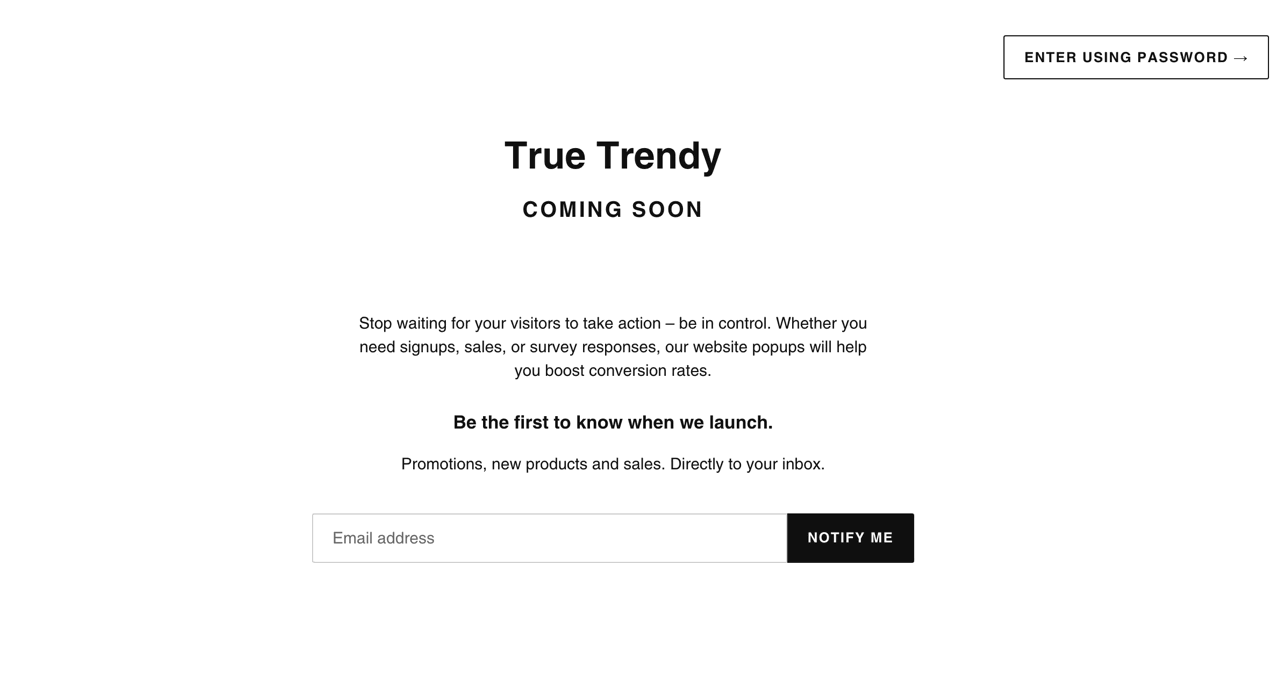
A waitlist does not automatically reserve stock. Make that distinction clear, and send progress updates that fulfill the promise rather than leaving early subscribers without news.
Turn the brand positioning into evidence: garment measurements, fabric composition, construction details, or a useful fit comparison. If you make sourcing or environmental claims, support them with relevant information rather than relying on broad adjectives.
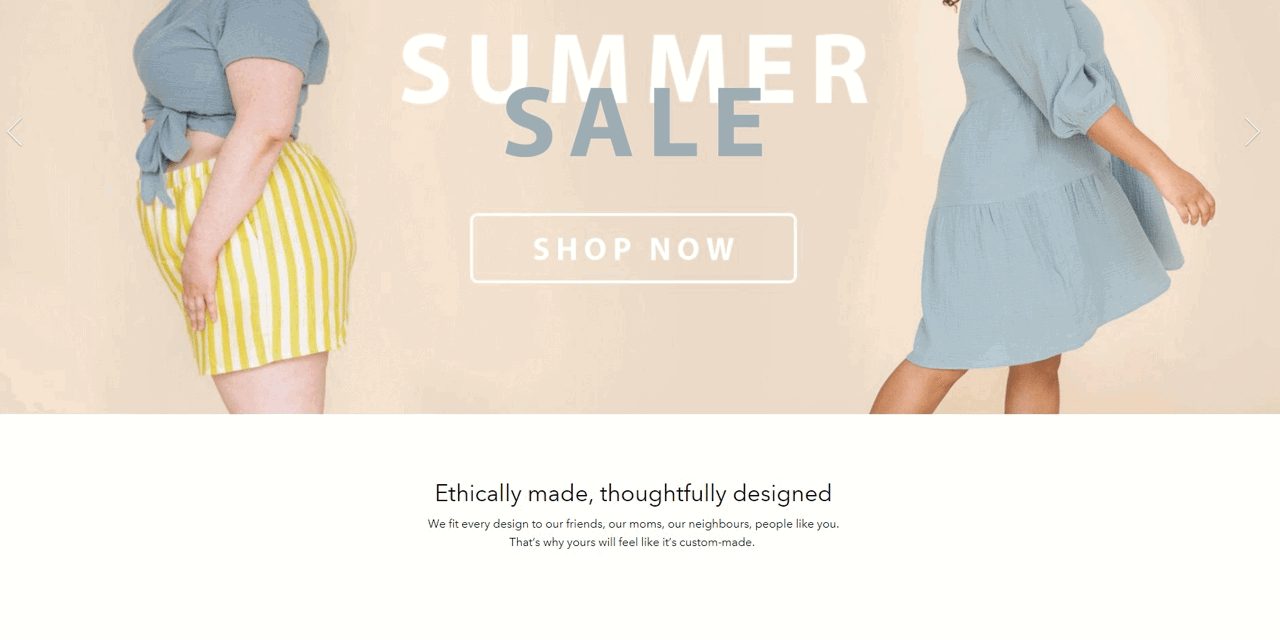
Repeat the same central idea in your landing page, social content, and email campaigns. Consistency helps people understand what the brand is for; it does not require identical wording everywhere.
Build a repeatable set of content: one styling demonstration, one close-up detail, one fit explanation, and one look in a real setting. A customer should learn something different from each piece.
The House of Thea's prelaunch examples show how a brand can introduce both its story and its planned collection before the full store is ready.
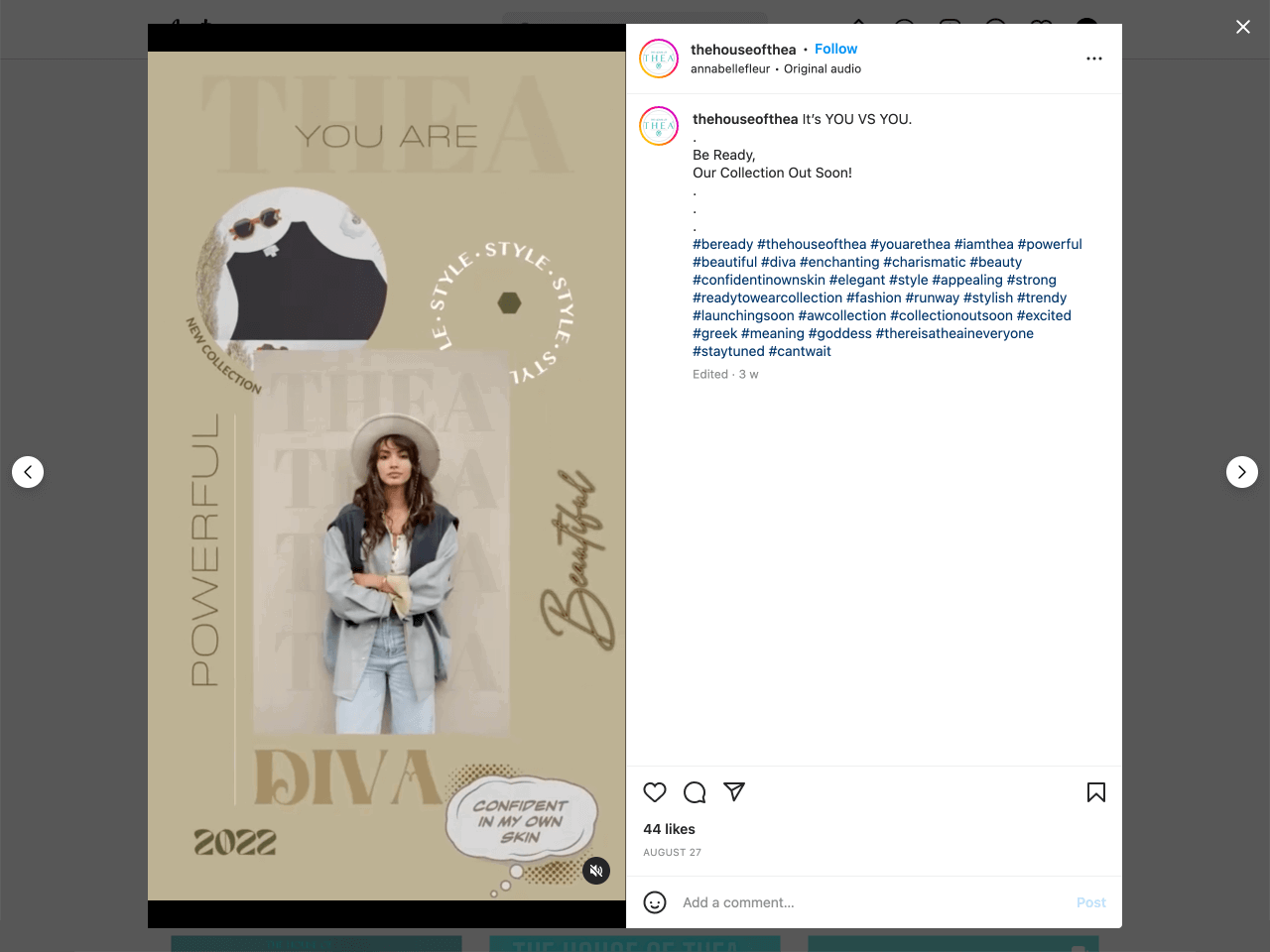
Link to a useful destination. A post about a specific jacket should lead to that jacket or its launch page, not a homepage where the visitor has to search again.
Choose a channel your intended customers use and test one product story. Set the budget and stopping condition in advance. Paid ads can accelerate learning, but they do not guarantee profitable sales or save time if the landing page is unclear.
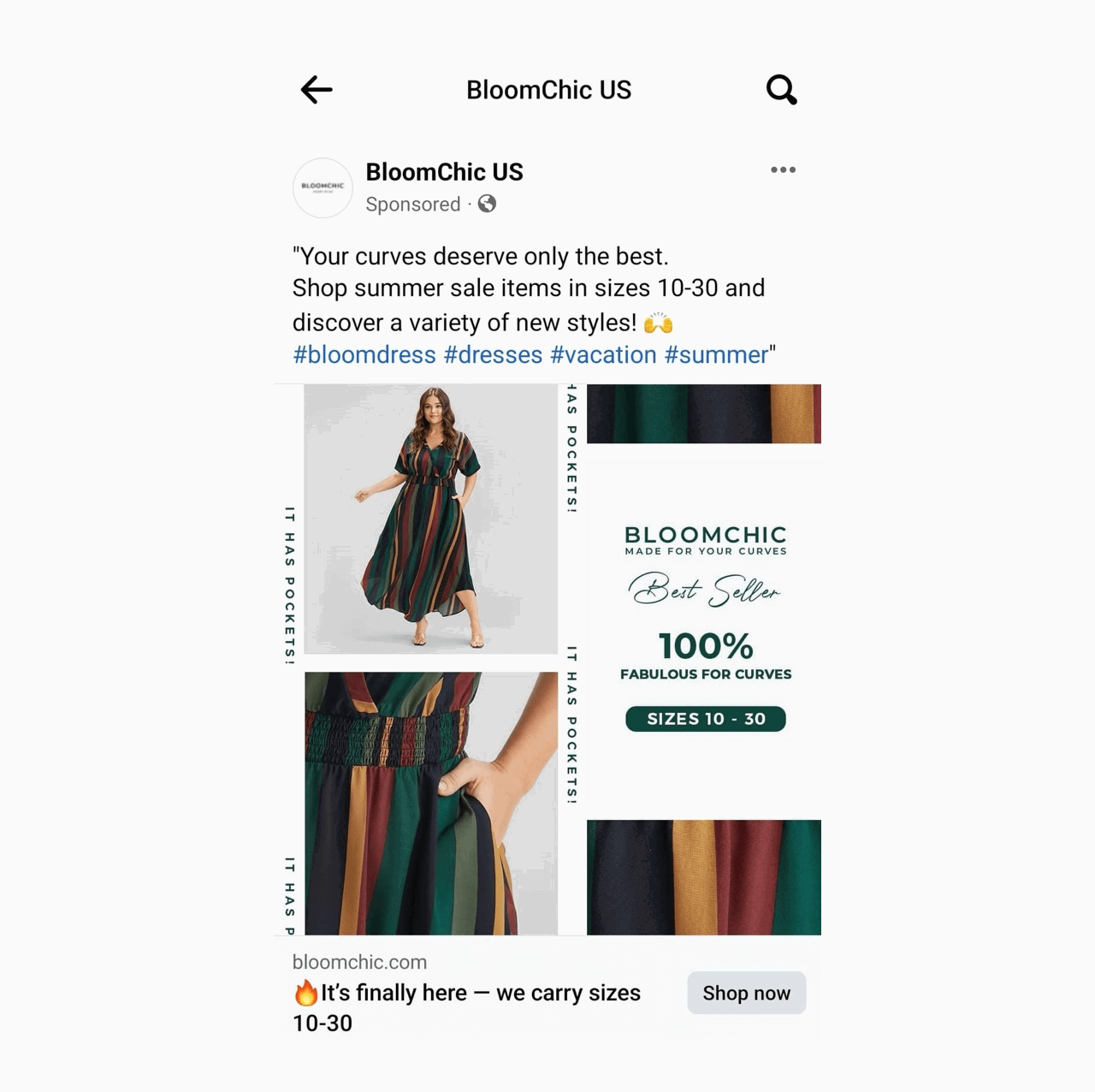
Compare creatives against the same offer and audience where practical. Review purchases after discounts and returns, not just clicks or platform-reported revenue. Expand only after you understand which message and destination are working.
Look for creators whose style, audience, and content fit the product. Follower count alone does not establish relevance or likely results.
Agree on the deliverables, timing, compensation, disclosure, and permission to reuse the material. A useful brief might ask for a fit demonstration and an honest styling video rather than a generic product mention. Give the creator enough product information to avoid incorrect claims, and let their own voice remain recognizable.
Create product and outfit content around specific searches: a material, occasion, fit, or styling question. Pinterest can be one destination for this work, alongside your own guides and product pages.
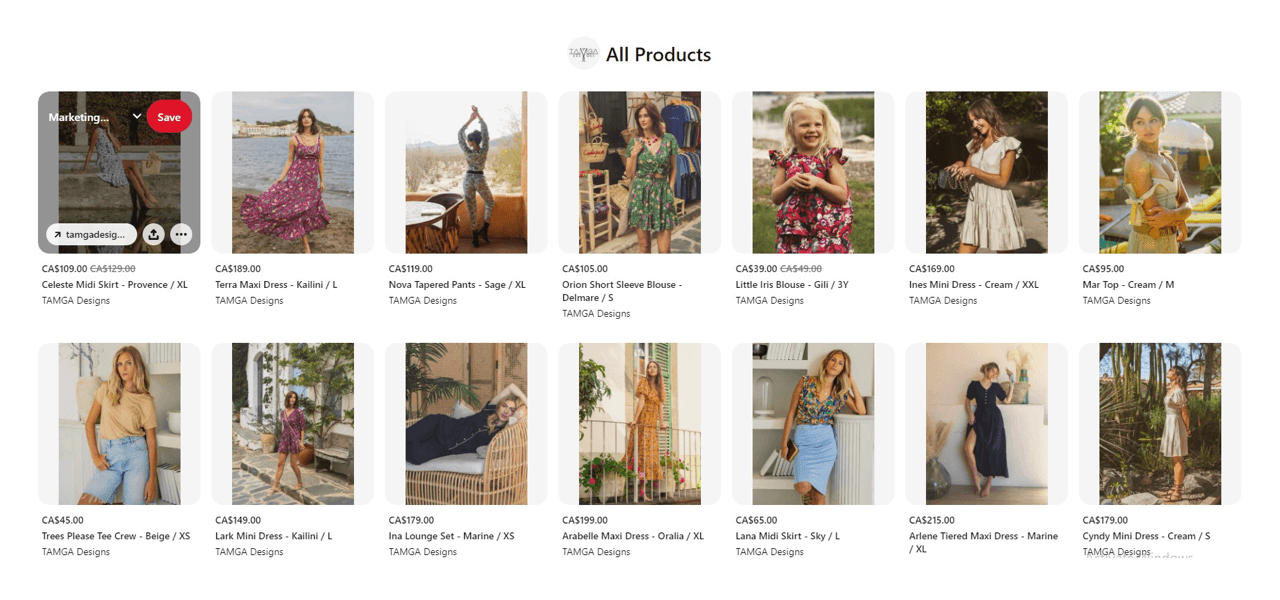
Use clear descriptions and direct links. Keep product information current wherever you publish it. Avoid choosing a channel solely because a large audience statistic sounds impressive; test whether it brings people who actually want your range.
A welcome discount, styling guide, or collection preview can make the invitation concrete. The signup form should explain what the reader will receive, and the first email should deliver it.
Avoid showing several competing signup forms at once. Check the widget on mobile with the site's other banners, and make sure a shopper can still browse and choose a size.
Show garment measurements, model sizing where available, material, care, delivery, and returns. Use close-ups and images of the clothing being worn, not only isolated product shots.
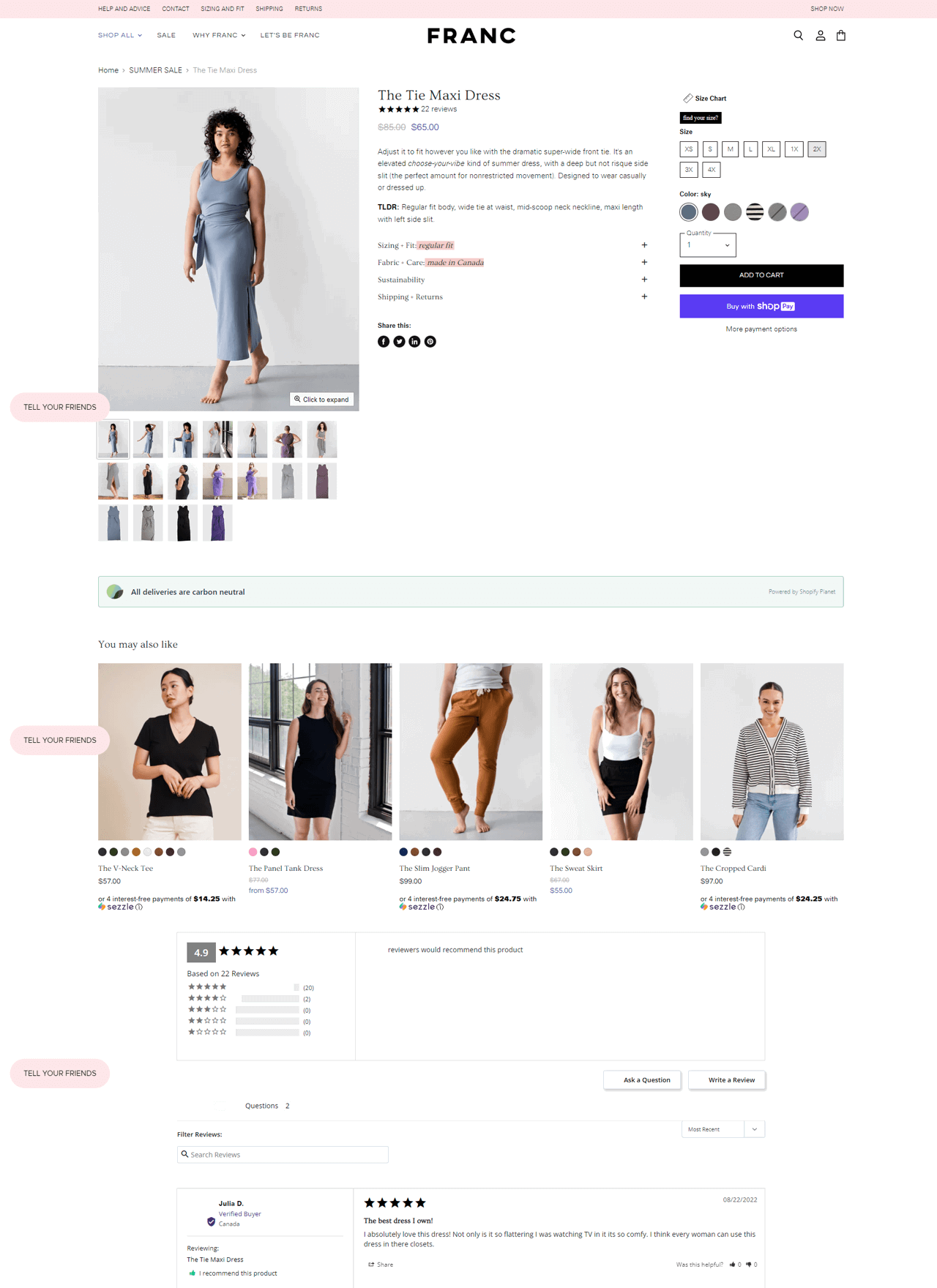
The best order of information depends on the product. For trousers, rise and inseam may matter more than a brand story. For a technical jacket, weather protection and layering fit may come first. Use customer questions and return reasons to find the gaps.
If you run a promotion, state the eligible range, code, minimum spend, and deadline. Use limited-stock language only when the relevant variants support it.
A copyable coupon widget can help customers apply the offer without interrupting their shopping.
Keep the same terms in the email, widget, product page, and checkout. Use our flash sale email guide when planning a short campaign.
A shopper who left during checkout may need a reminder, but may also have found an unexpected shipping charge or an unavailable size. Make the return link useful and offer a route to help.
Use the Shopify abandoned-checkout templates and setup guide to choose the reminder and connect the return link. Keep this as a response to shopping intent, not a substitute for fixing the checkout obstacle.
A reminder requires an identifiable contact and appropriate recipient eligibility. It cannot reach every anonymous cart. In Shopify, test the connected checkout workflow with a real test checkout, and stop reminders when the person completes the purchase. Do not assume that selecting an email design configures these conditions.
Invite reviews after delivery and enough time to try the clothes. Ask about fit, fabric, and the overall experience, not only whether the customer would recommend the brand.
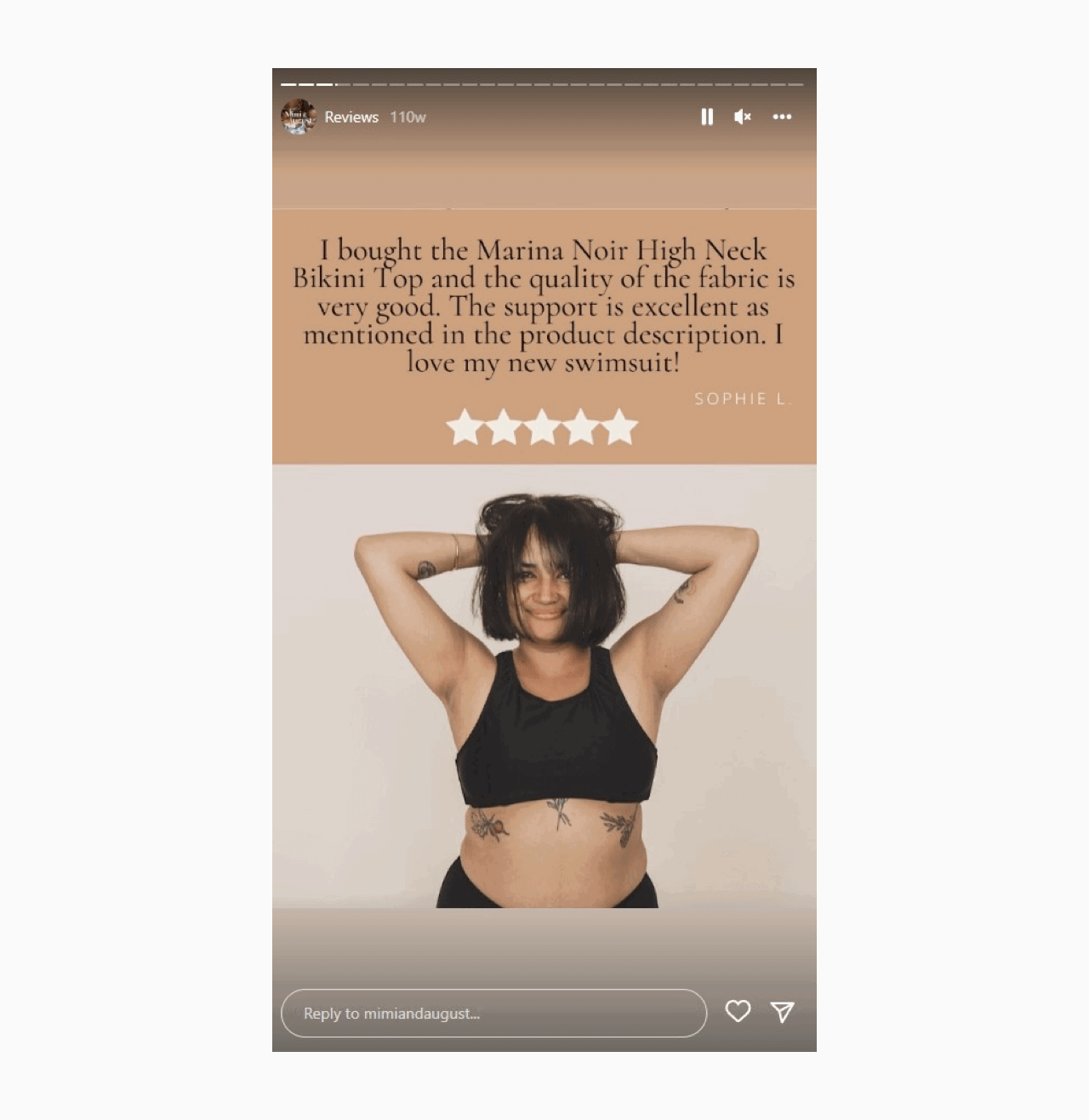
Reuse quotations and customer photos with appropriate permission. Preserve their meaning, and include useful critical feedback in your product improvements. For timing and wording, see these post-purchase email examples.
Use a short question when you have a specific uncertainty: “What information are you missing?” or “What made you decide not to order today?” Do not turn a brief website survey into a long research form.
You can also collect questions through a contact widget. This template provides a simple starting point for a fit or product inquiry.
Decide who will answer and how quickly before publishing it. A contact form is useful only when the response helps the shopper continue.
A subscriber who has not ordered may need the welcome offer and an introduction. A buyer needs accurate order service and useful guidance for the item they purchased. Keep the two journeys distinct.
For a general subscriber welcome, this story-led design offers room to explain a shared interest and the brand's purpose.
Use welcome email copy to fulfill the signup promise first. After purchase, move toward care, fit support, and relevant styling rather than repeating a first-order discount.
For a Shopify store, an email with product sections can organize a collection around real shopping situations. The On design connects an outdoor clothing range with the situations it is made for. Continue that same story on the collection page rather than sending the visitor into the entire catalog.
Replace the sample products, offer, and claims. Verify the configured product source, available sizes, current prices, and every destination. For more non-discount directions, browse fashion newsletter ideas.
A loyalty program should have a clear exchange: what the customer does, what they receive, and when the benefit can be used. Do not add points simply because competitors have them.
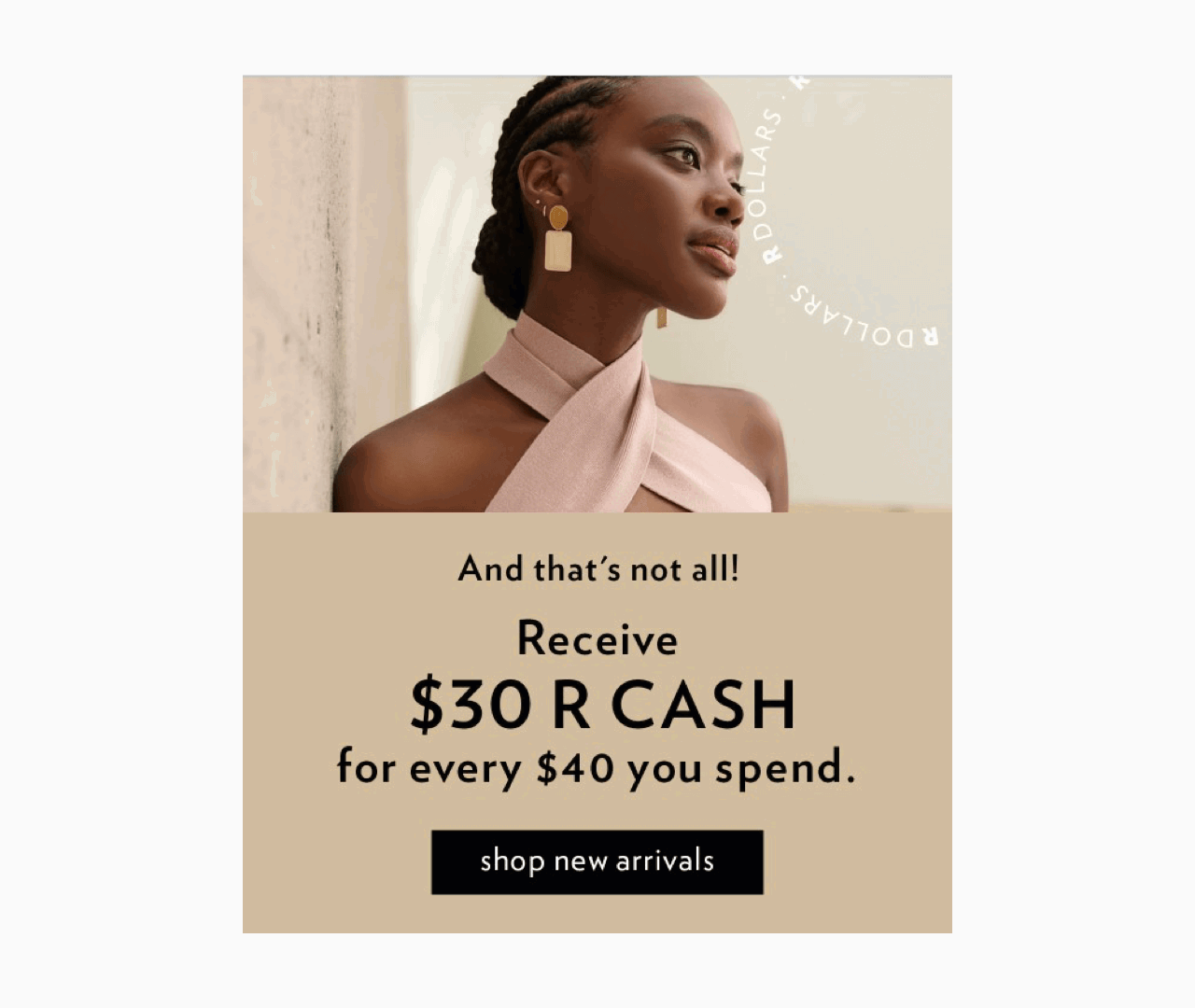
Start with a small benefit you can maintain, such as early access or a defined reward. Calculate the cost, explain expiry and exclusions, and check whether customers actually use it. A good fit experience and reliable service remain reasons to return even without a formal program.
A referral program can help satisfied customers introduce the brand to friends. An affiliate program is a separate commercial arrangement that usually rewards partners for attributable sales. Explain the rules and avoid paying twice for the same acquisition unless that is intentional.
After the first order, use actual purchase information to choose relevant follow-ups. A customer who bought a winter coat may appreciate care advice or a complementary layer; an immediate reminder to buy the same coat is less useful.
| Week | Main work | Deliverable |
|---|---|---|
| 1 | Clarify audience, product advantage, and order economics | One campaign brief and a realistic budget |
| 2 | Improve the hero product page and signup journey | Fit details, tested links, form, and welcome email |
| 3 | Publish a small content set and test one discovery channel | Consistent creative and one relevant landing page |
| 4 | Review visits, orders, questions, and returns | A decision to improve, repeat, or stop the test |
If your product pages convert relevant visitors but the audience is small, test a discovery channel. If people arrive and repeatedly ask about sizing, improve the page before increasing traffic. If customers are happy but rarely return, work on a relevant follow-up and the next collection story.
Give each experiment an owner and a single destination. A creator collaboration might send visitors to the outfit they saw; a search guide might lead to the product that answers the question. Use campaign links consistently so you can compare these routes without treating every store visit as the same kind of interest.
Keep the experiment small enough to explain. If you change the product, price, audience, and landing page together, it becomes hard to know what helped.
For a small outerwear launch, a practical first test might combine one fit demonstration, a focused collection page, and an email to interested subscribers. If people visit but hesitate over sizing, improve the fit information before paying to bring more visitors to the same unclear page.
Use the same product promise in the creator brief, landing page, and launch email. The format can change, but the audience should recognize the collection and the reason to consider it. This short email draft can double as the starting brief for the other assets.
[Collection] is here \u2014 made for [occasion]
PreviewMeet the pieces we have been working on.
We started [Brand] to make [specific type of clothing] for [specific use]. Our first [collection] is now available.
Start with [hero piece]. It features [verifiable detail], and the product page includes measurements and material information.
If you are unsure about fit, reply with your question before ordering.
Explore the first collectionThe [Brand] team
Use the launch to begin a conversation, then build the next campaign from what customers ask and buy. A useful product story, an accurate store, and a repeatable way to reach the right audience are a stronger foundation than trying every tactic at once.
Choose one audience, one product story, and one discovery channel. Create useful images and a clear product page before spreading the budget across platforms. Reuse the same campaign material in appropriate formats and review the result before expanding.
Define the intended customer, product advantage, pricing, and fulfillment plan. Prepare fit information, a landing page, and a way for interested visitors to hear about the release. Make it clear whether joining the list provides news, access, or an actual reservation.
Only with a measurable purpose, such as testing interest or collecting eligible launch subscribers, and a firm spending limit. A prelaunch ad should lead to a page that explains what is available now and what happens later.
Look for an audience and presentation style that fit the clothes and their use. Agree on deliverables, usage rights, timing, and the destination for interested shoppers. Follower count alone does not establish whether a partnership can produce useful attention.
Explain a concrete difference through the product: fit, construction, material, use, or service. Show that difference with specific imagery and information. Broad claims such as “premium quality” need detail before they become a convincing reason to choose the brand.
Check whether visitors are relevant and whether the product page answers fit, delivery, price, and return questions. Test the mobile purchase path. Diagnose the obstacle before buying more traffic; the traffic but no sales guide covers that problem in more detail.
Provide a good first-order experience, product care, and a relevant reason to revisit. Follow-ups can introduce a compatible piece or the next collection. Do not treat a repeat purchase as something every customer should make immediately.
Stick is an editorial pen name used by the Getsitecontrol team for guides on email campaigns, fashion marketing, and Shopify store design. These articles focus on practical ways to present products, plan customer communications, and improve the shopping experience.
You’re reading Getsitecontrol blog where marketing experts share proven tactics to grow your online business. This article is a part of Ecommerce marketing section.
Try email marketing, free
Grow your list with free popups, send 2,000 emails for free.
Get started →Subscribe to get updates
Get beginner-friendly tips for growing your online business.